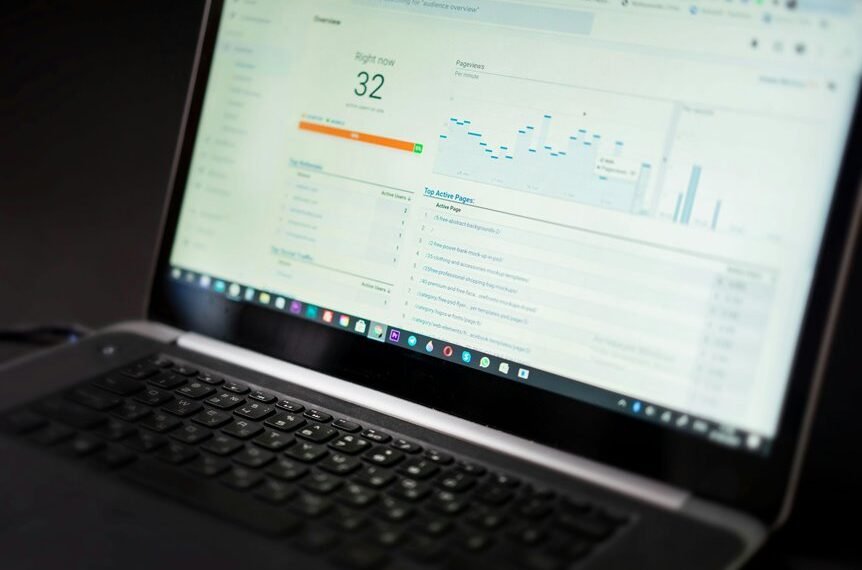
Advanced commercial intelligence mapping for identifiers such as 5028227768 and 6980732414 reveals critical market dynamics. By leveraging data analytics, organizations can visualize complex relationships and identify influential players. This approach not only enhances strategic decision-making but also anticipates shifts in market trends. Understanding these frameworks is essential for businesses aiming to maintain a competitive edge. The implications of these insights warrant further exploration into their practical applications and future developments.
Understanding Commercial Intelligence Mapping
Although the concept of commercial intelligence mapping may seem complex at first glance, it fundamentally serves as a strategic framework for businesses to visualize and analyze market dynamics.
By employing data visualization techniques, organizations can effectively navigate the competitive landscape, identifying key players and trends.
This clarity empowers decision-makers, fostering agility and informed strategies that promote growth and adaptability in an ever-evolving marketplace.
The Role of Data Analytics in Market Insights
Data analytics emerges as a pivotal tool in deriving actionable market insights, transforming raw data into meaningful information that guides strategic decision-making.
Through advanced data visualization techniques, organizations can clearly interpret complex data sets, while predictive modeling allows for forecasting future trends.
This synergy empowers businesses to make informed choices, enhancing their competitive edge and fostering a culture of data-driven decision-making.
Practical Applications of Mapping Techniques
While organizations increasingly rely on mapping techniques to visualize complex data relationships, the practical applications of these methodologies extend far beyond mere representation.
Geographic segmentation enhances targeted marketing efforts, while competitive analysis provides insights into market positioning.
Customer profiling refines personalized strategies, and market forecasting predicts trends, empowering organizations to make informed decisions and respond proactively to evolving market dynamics.
Future Trends in Commercial Intelligence
As organizations navigate an increasingly complex marketplace, the future of commercial intelligence is poised to evolve significantly through advancements in technology and data analytics.
Predictive analytics will enable firms to anticipate consumer behavior, enhancing market segmentation strategies. This evolution will empower businesses to tailor offerings more effectively, fostering greater consumer engagement and ultimately driving competitive advantage in a rapidly changing economic landscape.
Conclusion
In conclusion, advanced commercial intelligence mapping serves as a compass, guiding organizations through the complex landscape of market dynamics. By harnessing data analytics, businesses can navigate uncertainties and uncover strategic insights that bolster their competitive edge. As industries evolve, the integration of sophisticated mapping techniques will be essential for fostering adaptability and driving sustainable growth. Ultimately, those who master this art will not only survive but thrive in an increasingly data-driven marketplace.